



lfcsn6b2vz9

air conditioner service in my area: what actually matters before booking

Why I'm cautious, and what earns my trust

I'm skeptical by default. Claims are easy; proof is harder. So I look for verifiable credentials, clear inspection steps, and written findings. If a company can't show those, I keep scrolling.

  • Licensing and insurance: Ask for the state license number and proof of liability coverage.
  • Technician certifications: EPA Section 608 for refrigerant handling; NATE or equivalent for competency.
  • Documented process: A checklist plus before/after readings (temperature split, static pressure, superheat/subcooling).
  • Accountability: Work warranty in writing, with what's covered and how long.

How often should service happen?

Manufacturers typically recommend at least annual professional maintenance. Heat pumps running year-round often benefit from twice yearly visits - cooling season and heating season. That said, usage, dust, and local pollen loads matter. Actually - let me be more precise: the right interval is the one that keeps airflow, refrigerant charge, and condensate drainage within spec for your conditions.

What a thorough visit looks like

  • Airflow and static pressure: Measure external static and compare to the blower's fan table; address restrictions, not just symptoms.
  • Refrigerant evaluation: Check superheat/subcooling, not "top off and go." If charge is low, find the leak.
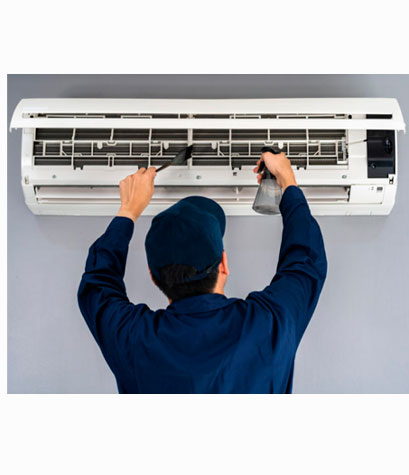
  • Coils: Clean evaporator and condenser with appropriate methods; protect electronics; straighten fins when needed.
  • Electrical: Inspect capacitors and contactor wear; tighten lugs; check amp draws against nameplate.
  • Condensate: Flush drain, verify trap, test safety switch; confirm no pan overflow risk.
  • Filtration and return path: Verify filter size and MERV fit; too-restrictive media can choke airflow.
  • Thermostat and controls: Calibrate, verify staging, confirm short-cycle protection.

I almost wrote "just clean the coils and you're fine." Let me step back: without confirming airflow and charge, cleaning may temporarily hide a deeper fault.

Real-world moment from, yes, my area

Last July, during a 96° afternoon, I booked a morning slot so the system would be stable. The tech arrived with shoe covers, measured return/supply temperatures, then checked static pressure. The surprise wasn't the dirty outdoor coil - it was a partially clogged condensate line from heavy tree pollen. A quick vacuum, biocide tablet, and trap verification later, the overflow risk was gone, and the temperature split returned to normal.

Costs: what I expect and why ranges are wide

Numbers vary by region, but a service call fee often lands in the modest-to-mid range, with a full tune-up adding more. Parts like capacitors are usually affordable; refrigerant can get pricey, and leak searches add labor. I don't fixate on the sticker alone; I look for measured results and a report I can keep.

  • Green flags: They explain readings, show photos, and give options.
  • Red flags: "We'll just add refrigerant," no leak check; a 10-minute "tune-up"; pressure for same-day replacements without diagnostics.

DIY I trust vs. work I leave to pros

  • Do it yourself: Replace filters on schedule; keep outdoor fins clear of leaves; rinse the condenser gently from inside out; confirm registers are open; check the thermostat schedule.
  • Call a pro: Refrigerant charge, electrical testing under load, coil pull-and-clean, duct leakage diagnostics, control board issues.

Cutting power at the disconnect before cleaning is non-negotiable. So is avoiding coil damage with high-pressure sprays.

Choosing a local provider with less guesswork

  1. Shortlist: Start with firms that publish their checklist and sample reports.
  2. Ask pointed questions: "Will I get static pressure, temperature split, and superheat/subcooling in writing?"
  3. Check reputation patterns: Not just stars - scan for recurring issues (missed appointments, warranty disputes).
  4. Confirm scope: "If you find a leak, what's the diagnostic path and cost range?"
  5. Replacement talk: If a unit is failing, ask about Manual J sizing and duct evaluation before any bids.

A quick sanity checklist before I book

  • Credentials verified and insurance confirmed.
  • Clear service steps with measurable outputs.
  • Photos or readings delivered after the visit.
  • Transparent pricing and warranty terms.

Bottom line: in seeking air conditioner service in my area, I'm not chasing the lowest number. I'm looking for evidence - measurements that make sense, fixes that stick, and a technician who explains the "why" as clearly as the "what." That's how trust is built, and how my system stays reliable when the heat spikes.


hlls
4.9 stars -1848 reviews
hlls
+18557802812